 Buoyline
387 original practice questions, 71 of them with a picture. After each answer you see why it is right and the rule it comes from. Free to start.
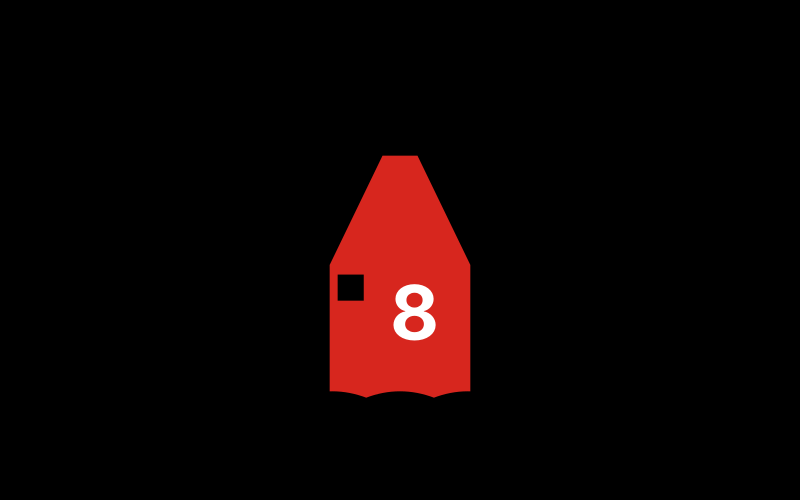
A question from the app
Returning from sea, you see this buoy ahead. On which side of your boat should you keep it?
The practice exams are modeled on Florida’s rule for approved course exams (Fla. Admin. Code R. 68D-36.104) and on the California Division of Boating and Waterways course standard. Your own course’s exam may differ in length and wording.
Florida. Anyone born on or after January 1, 1988, needs a Boating Safety Education ID Card to operate a boat with a motor of 10 horsepower or more. You get it by passing a boating safety course approved by the Florida Fish and Wildlife Conservation Commission. The card does not expire.
California. Since January 1, 2025, everyone who operates a motorized boat needs a California Boater Card, whatever their age, with a few exemptions such as rental boats. You get it by passing a course or exam approved by the Division of Boating and Waterways. The card is good for life.
Buoyline helps you study for that exam. It does not replace the course and does not issue a card.
Buoys, lights at night, crossing and meeting situations and sound signals are drawn for the question. 71 questions come with a picture, so you decide what you would do, as you would on the water.
Each question names where it comes from: U.S. Coast Guard rules and publications, federal regulations, the national boating education standards, and state law. Learn the rule, not the answer.
Florida: 75 questions, 75% to pass. California: 60 questions, 80% to pass. After each one you see your score per topic and every mistake.
Questions you miss return until you get them right twice. The start screen tells you when you are exam ready: your last three practice exams passed.
Everything is on your device: no login, no subscription, no ads, and no signal needed. Nothing about you is collected; your progress stays on your phone. See the privacy policy.
Start free: the first five questions of every topic and a full practice exam for each state. If you want more, one purchase unlocks every question, unlimited practice exams that differ each time, and mistake review. Apple shows the current price in your store.
Buoyline is for practice only. It is not affiliated with, endorsed by, or part of any government agency, and it is not an approved boating safety course. The questions are original, written from public sources. Laws change, so check the current rules with your state agency.
Think an answer is wrong? Tell us on the support page. A person reads it, and a question that can be better should be changed.